The FCRA provides the provision to remove any harmful element on your credit report
Making late payments may tank your credit score by roughly 100 points. The reason for the fact is that on-time payments contribute considerably to a credit report. Defaulting may drop your credit score farther, and it can be worse if it is already low. Making late payments is sometimes understandable due to a fiscal crisis. In the event that you experienced any issue, your loan issuer could understand and give you some grace period. However, continually making late payments may be damaging to your financial wellbeing. The national law explicitly states that loan issuers can not report a late payment; it is not older than 30 days. Going beyond this window could affect your ability to get additional loans from potential lenders. The reason behind this factor is the fact that prospective lenders would consider you a high-risk borrower. In a nutshell, keeping good fiscal habits and making timely payments would work to your leverage.
Most people continually wonder whether taking a new loan may hurt their credit score. At a glimpse, loans and the way you handle them ascertain the score that you'll have. Credit calculation is usually a complicated process, and loans may either boost or reduce your credit rating. Having many delinquencies would continuously plummet your credit score. When issuing loans, lenders use your credit rating to determine the type of customer you are. This fact could be counterintuitive since you need a loan to build a positive payment history and document. Quite simply, if you have not had a loan before, your success rate would be incredibly minimal. Having said that, the association between loans is a terminal string, and you are going to require a loan to demonstrate yourself. Possible loan issuers might approve your application if you have cleared all of your accounts in time. On the contrary, your application would flop when you've got a history of defaulting. If you have damaged your report before, taking a fresh loan could help you restore it. Considering that the amount of debt carries a massive chunk of your account (30%), you should pay utmost attention to it.
 Everybody makes charge payments — from loans to credit cards and lines of credit. However, if you do not make timely payments, loan issuers would come for their belongings. Whenever a collection agency makes attempts to regain the money, it adds to your report for a collection. While paid collections have less effect on your score, unpaid collections may severely impact you. Your score will drop depending on a few variables if one of your accounts goes into collection. The impact of a collection on somebody with a very low score is not as severe as in someone with a high score. Should you skip a payment, your lender would report it to the agencies as«payment.» Failing to fix your account's poor condition would make a collection agency come for their money. As soon as an account is reported a set, you'll instantly experience a plummet on your score. Here's more info in regards to Www.Gaibandhahelpline.com stop by our website. Since it takes a very long time to resolve a collection, making timely payments is the best strategy.
Without a doubt, having a credit card is incredibly prestigious across the US. Countless consumer stories point towards going through huge hurdles to obtaining one. Like any other solution, a credit card includes a wide assortment of advantages and related advantages. First card issuers think about several elements of your credit report before approving your application. This factor means that your odds of acceptance when you have a poor score, are amazingly slim. Besides, you are going to need to see a couple of things once you acquire your card. If you go beyond the 30% credit utilization limit, your credit score would undoubtedly drop. Through the application, the issuer would carry out a tough inquiry that would fall your credit score. Should you create several unsuccessful programs, several queries could be added to your report. When it comes to using a credit card, many issuing companies have incredibly stringent regulations. Failure to comply with the regulations will tank your credit score and damage your report.
The FCRA explicitly claims you could dispute any negative item on a credit report. Basically, if the reporting agency can not confirm the product, it surely must be eliminated. Like any other thing, credit data centers tend toward making lots of errors, particularly in a credit report. The FCRA reports that approximately 1 in every 5 Americans (20%) have errors in their credit reports. Because your score depends on your own report, a bad report may damage your score severely. For any standard loan or line of credit, your credit rating tells the type of consumer you're. Oftentimes, a lousy score could impair your ability to get positive interest rates and quality loans. Having said that, it is vital to work on eliminating negative entries from your credit report. Late payments, bankruptcies, hard questions, compensated collections, and deceptive activity can impact you. Detrimental entrances can tank your credit score; hence you should try and eliminate all them. There are distinct means of removing negative things, and among these is a credit repair company. Most people use credit repair companies when they must go through lots of legal technicalities. Since credit fix can be an overwhelming process, we have compiled everything you want to learn here.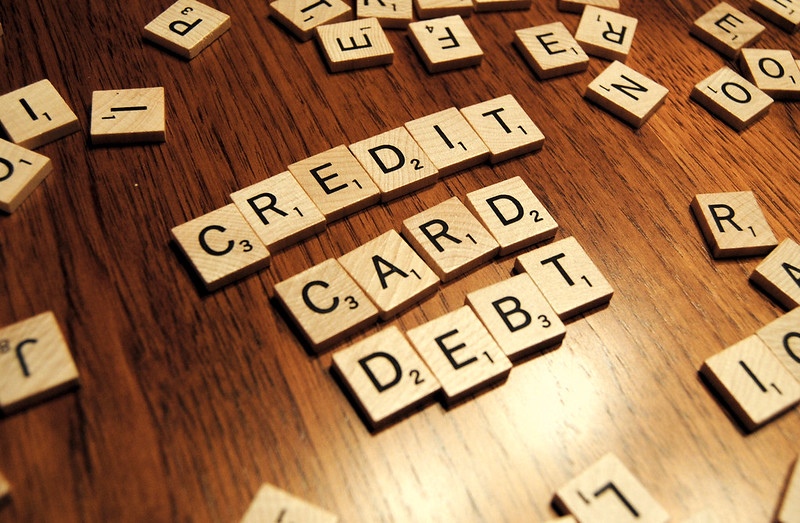
Most people continually wonder whether taking a new loan may hurt their credit score. At a glimpse, loans and the way you handle them ascertain the score that you'll have. Credit calculation is usually a complicated process, and loans may either boost or reduce your credit rating. Having many delinquencies would continuously plummet your credit score. When issuing loans, lenders use your credit rating to determine the type of customer you are. This fact could be counterintuitive since you need a loan to build a positive payment history and document. Quite simply, if you have not had a loan before, your success rate would be incredibly minimal. Having said that, the association between loans is a terminal string, and you are going to require a loan to demonstrate yourself. Possible loan issuers might approve your application if you have cleared all of your accounts in time. On the contrary, your application would flop when you've got a history of defaulting. If you have damaged your report before, taking a fresh loan could help you restore it. Considering that the amount of debt carries a massive chunk of your account (30%), you should pay utmost attention to it.
Everybody makes charge payments — from loans to credit cards and lines of credit. However, if you do not make timely payments, loan issuers would come for their belongings. Whenever a collection agency makes attempts to regain the money, it adds to your report for a collection. While paid collections have less effect on your score, unpaid collections may severely impact you. Your score will drop depending on a few variables if one of your accounts goes into collection. The impact of a collection on somebody with a very low score is not as severe as in someone with a high score. Should you skip a payment, your lender would report it to the agencies as«payment.» Failing to fix your account's poor condition would make a collection agency come for their money. As soon as an account is reported a set, you'll instantly experience a plummet on your score. Here's more info in regards to Www.Gaibandhahelpline.com stop by our website. Since it takes a very long time to resolve a collection, making timely payments is the best strategy.Without a doubt, having a credit card is incredibly prestigious across the US. Countless consumer stories point towards going through huge hurdles to obtaining one. Like any other solution, a credit card includes a wide assortment of advantages and related advantages. First card issuers think about several elements of your credit report before approving your application. This factor means that your odds of acceptance when you have a poor score, are amazingly slim. Besides, you are going to need to see a couple of things once you acquire your card. If you go beyond the 30% credit utilization limit, your credit score would undoubtedly drop. Through the application, the issuer would carry out a tough inquiry that would fall your credit score. Should you create several unsuccessful programs, several queries could be added to your report. When it comes to using a credit card, many issuing companies have incredibly stringent regulations. Failure to comply with the regulations will tank your credit score and damage your report.
The FCRA explicitly claims you could dispute any negative item on a credit report. Basically, if the reporting agency can not confirm the product, it surely must be eliminated. Like any other thing, credit data centers tend toward making lots of errors, particularly in a credit report. The FCRA reports that approximately 1 in every 5 Americans (20%) have errors in their credit reports. Because your score depends on your own report, a bad report may damage your score severely. For any standard loan or line of credit, your credit rating tells the type of consumer you're. Oftentimes, a lousy score could impair your ability to get positive interest rates and quality loans. Having said that, it is vital to work on eliminating negative entries from your credit report. Late payments, bankruptcies, hard questions, compensated collections, and deceptive activity can impact you. Detrimental entrances can tank your credit score; hence you should try and eliminate all them. There are distinct means of removing negative things, and among these is a credit repair company. Most people use credit repair companies when they must go through lots of legal technicalities. Since credit fix can be an overwhelming process, we have compiled everything you want to learn here.
0 комментариев