The FCRA gives the provision to remove any detrimental element on your credit report
Based on the FCRA, you can dispute any negative element in your credit report. In essence, the responsible information center has to delete the data if it can not verify it as legitimate. Since no entity is foolproof of creating errors, credit data centers have some errors in customer reports. A detailed examination of American consumers shows that about 20% of these have errors in their reports. If you adored this post and Credit Card tips you would such as to obtain even more facts pertaining to Credit card tips kindly go to our own web page. Ever since your report goes hand in hand with your score, a lousy report may severely damage your score. Your score dictates your own creditworthiness in almost any credit card program of traditional loans. Many loan applicants have had an ineffective application due to a low credit score. That said, it is vital to focus on removing negative entries from your credit report. Late payments, bankruptcies, hard questions, compensated collections, and fraudulent activity can impact you. Detrimental entries can tank your credit score; hence you need to try and remove all them. There are distinct ways of removing negative items, and one of them is a credit repair company. As this process involves lots of technical and legalities, most people opt for having a repair company. In this guide, we've collated everything you need to know about credit restoration.
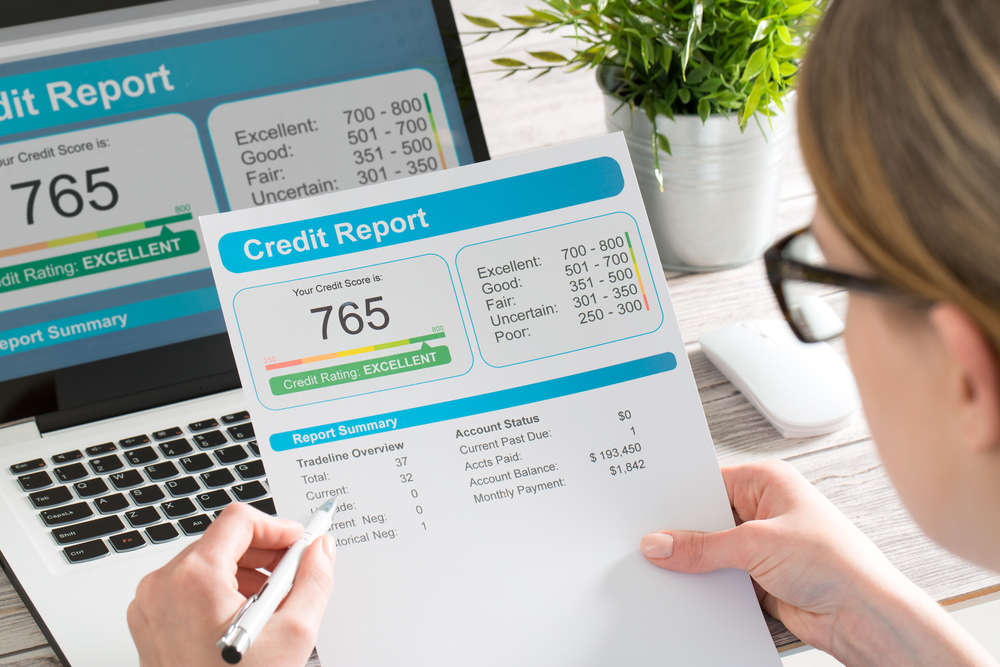 We all pay invoices — ranging from bank cards to loans, phones, and lines of credit. If you don't fulfill your financial obligations on time, lenders will make attempts to collect their money. Each collection adds to a credit report and can cripple your loan negotiation ability. While paid collections have significantly less effect on your score, unpaid collections can badly impact you. If one of your accounts goes into group, your credit rating plummets depending on some components. There is a disparity in a collection's impact on somebody using a high score and one using a very low score. Remember that creditors report each missed payment as«late payment» to the agencies. In case you don't restore your accounts from its bad condition, you can experience a collection. Once your account enter collection, you will instantly see your credit score falling. As it takes a very long time to work out a collection, making timely payments would be your best strategy.
Potential lenders do not check your entire credit report; they use your score to judge you. The credit rating calculation and scrutiny versions vary between different loan issuers. Additionally, credit card firms also use tailored approaches when checking a credit report. Loan issuers would provide somebody with a high score an upper hand compared to one using a low score. In rare situations, your application would be successful, but you'll incur costly fees. Therefore, tracking your finances would help you stay on top of them. Checking your credit rating often would give you a very clear summary of your financial well-being. You'll be able to recover a free credit report from each of the data centers at no cost. Retrieve your report and inspect the components that could damage your credit report. You should start working on the easy things before involving paralegals in removing the intricate ones. Should you need a credit repair company, select one which matches your unique needs. Always make sure you keep good financial habits and check your report often.
Consumers' appetite for loans and failure to meet their obligations caused bankruptcies. Declaring bankruptcy may cancel some debt, but you'll undoubtedly suffer its long term consequences. Bankruptcies offer a short-term loan relief, but its effects can go up to a decade. Moreover, a bankruptcy could cripple your negotiating capability for favorable interest rates or credit cards. When filing for bankruptcy, you're encounter countless hurdles and legal complexities. Before submitting, you'll have to show that you can not pay the loan and go through counseling too. After counseling, you are going to choose the bankruptcy group to file: chapter 7 or chapter 13. Whichever the class you choose, you are going to need to pay court fees and attorney fees. Preventing bankruptcy is an perfect choice as you'll lose considerably more than what you gained. Moreover, a bankruptcy tanks that your credit score and paints you as not creditworthy.
Delinquencies can lose your credit score by as much as 100 points. Timely payments account for a vast portion of your report, making defaulting a negative element. Your credit rating could continually plummet if you already have a considerably low score. In some cases, it is sensible to default due to some financial crisis or unprecedented situations. In case your problem is explainable, a loan issuers could provide you room to make the payment. If you always make overdue payments, prospective creditors could see you in another standpoint. The loan issuers may report a late payment to the agencies if you make it overdue than 30 days. But exceeding this 30-day window will cripple your ability to get good quality loans. That is because prospective lenders will consider you a high-risk borrower and reject your application. That said, if you make timely payments consistently, you'll have the upper hand at borrowing.
We all pay invoices — ranging from bank cards to loans, phones, and lines of credit. If you don't fulfill your financial obligations on time, lenders will make attempts to collect their money. Each collection adds to a credit report and can cripple your loan negotiation ability. While paid collections have significantly less effect on your score, unpaid collections can badly impact you. If one of your accounts goes into group, your credit rating plummets depending on some components. There is a disparity in a collection's impact on somebody using a high score and one using a very low score. Remember that creditors report each missed payment as«late payment» to the agencies. In case you don't restore your accounts from its bad condition, you can experience a collection. Once your account enter collection, you will instantly see your credit score falling. As it takes a very long time to work out a collection, making timely payments would be your best strategy.Potential lenders do not check your entire credit report; they use your score to judge you. The credit rating calculation and scrutiny versions vary between different loan issuers. Additionally, credit card firms also use tailored approaches when checking a credit report. Loan issuers would provide somebody with a high score an upper hand compared to one using a low score. In rare situations, your application would be successful, but you'll incur costly fees. Therefore, tracking your finances would help you stay on top of them. Checking your credit rating often would give you a very clear summary of your financial well-being. You'll be able to recover a free credit report from each of the data centers at no cost. Retrieve your report and inspect the components that could damage your credit report. You should start working on the easy things before involving paralegals in removing the intricate ones. Should you need a credit repair company, select one which matches your unique needs. Always make sure you keep good financial habits and check your report often.
Consumers' appetite for loans and failure to meet their obligations caused bankruptcies. Declaring bankruptcy may cancel some debt, but you'll undoubtedly suffer its long term consequences. Bankruptcies offer a short-term loan relief, but its effects can go up to a decade. Moreover, a bankruptcy could cripple your negotiating capability for favorable interest rates or credit cards. When filing for bankruptcy, you're encounter countless hurdles and legal complexities. Before submitting, you'll have to show that you can not pay the loan and go through counseling too. After counseling, you are going to choose the bankruptcy group to file: chapter 7 or chapter 13. Whichever the class you choose, you are going to need to pay court fees and attorney fees. Preventing bankruptcy is an perfect choice as you'll lose considerably more than what you gained. Moreover, a bankruptcy tanks that your credit score and paints you as not creditworthy.
Delinquencies can lose your credit score by as much as 100 points. Timely payments account for a vast portion of your report, making defaulting a negative element. Your credit rating could continually plummet if you already have a considerably low score. In some cases, it is sensible to default due to some financial crisis or unprecedented situations. In case your problem is explainable, a loan issuers could provide you room to make the payment. If you always make overdue payments, prospective creditors could see you in another standpoint. The loan issuers may report a late payment to the agencies if you make it overdue than 30 days. But exceeding this 30-day window will cripple your ability to get good quality loans. That is because prospective lenders will consider you a high-risk borrower and reject your application. That said, if you make timely payments consistently, you'll have the upper hand at borrowing.