The engine control module (ECM), also known as the engine control unit (ECU), is a critical component in the operation of any modern vehicle.
Let's take a closer look at how the ECM functions in a high-performance car such as the BMW M5.
The ECM in the BMW M5 is a highly advanced computer system that is responsible for monitoring and controlling various aspects of the vehicle's engine performance. It is located in the engine compartment and is connected to sensors throughout the car that provide it with real-time data on factors such as engine speed, temperature, air intake, and fuel mixture.
One of the key functions of the ECM is to adjust the fuel injection timing and air-fuel ratio based on the driving conditions. This ensures that the engine operates efficiently and produces optimal power output. Additionally, the ECM controls the ignition timing, fuel delivery, and turbocharger operation to maximize performance while maintaining fuel economy.
The ECM also plays a crucial role in monitoring the emissions system and ensuring that the car complies with environmental regulations. It continuously monitors the exhaust gas composition and adjusts the engine parameters to reduce harmful emissions.
Furthermore, the ECM in the BMW M5 is equipped with an onboard diagnostic system that can detect and alert the driver to any potential issues with the engine or emissions system. This allows for quick and accurate diagnosis of problems, leading to faster repairs and reduced downtime.
Overall, the engine control module in the BMW M5 is a sophisticated piece of technology that ensures the engine operates at peak performance while meeting strict emissions standards. Its ability to monitor and adjust engine parameters in real-time makes it an essential component in the operation of this high-performance vehicle.
If you liked this write-up and you would like to obtain additional information with regards to Mintt Inc kindly pay a visit to our own webpage.
The ECM in the BMW M5 is a highly advanced computer system that is responsible for monitoring and controlling various aspects of the vehicle's engine performance. It is located in the engine compartment and is connected to sensors throughout the car that provide it with real-time data on factors such as engine speed, temperature, air intake, and fuel mixture.
One of the key functions of the ECM is to adjust the fuel injection timing and air-fuel ratio based on the driving conditions. This ensures that the engine operates efficiently and produces optimal power output. Additionally, the ECM controls the ignition timing, fuel delivery, and turbocharger operation to maximize performance while maintaining fuel economy.
The ECM also plays a crucial role in monitoring the emissions system and ensuring that the car complies with environmental regulations. It continuously monitors the exhaust gas composition and adjusts the engine parameters to reduce harmful emissions.
Furthermore, the ECM in the BMW M5 is equipped with an onboard diagnostic system that can detect and alert the driver to any potential issues with the engine or emissions system. This allows for quick and accurate diagnosis of problems, leading to faster repairs and reduced downtime.
Overall, the engine control module in the BMW M5 is a sophisticated piece of technology that ensures the engine operates at peak performance while meeting strict emissions standards. Its ability to monitor and adjust engine parameters in real-time makes it an essential component in the operation of this high-performance vehicle.
If you liked this write-up and you would like to obtain additional information with regards to Mintt Inc kindly pay a visit to our own webpage.
 A check engine light is an indication of an incorrect ECU. The light will come on when there is a problem with the engine computer, and it's essential to correct the issue. It is recommended to take your vehicle to a mechanic in order to have the problem resolved. A mechanic will connect the vehicle to an OBD scanner and register the error
 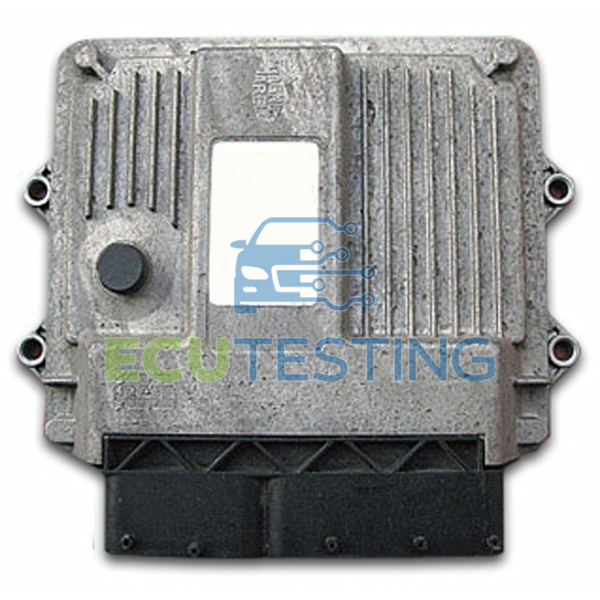 Automakers are increasingly relying upon ECU-TEST as a critical element of their process of development. This unique feature allows developers to test specific ECUs by using data collected taken from vehicle sensors and measure their performance with a hardware-in-the-loop device. Software also comes with specific testing tools that test a vehicle's single or multiple components to determine their safety, energy and performance. This results in a more reliable vehicle and